
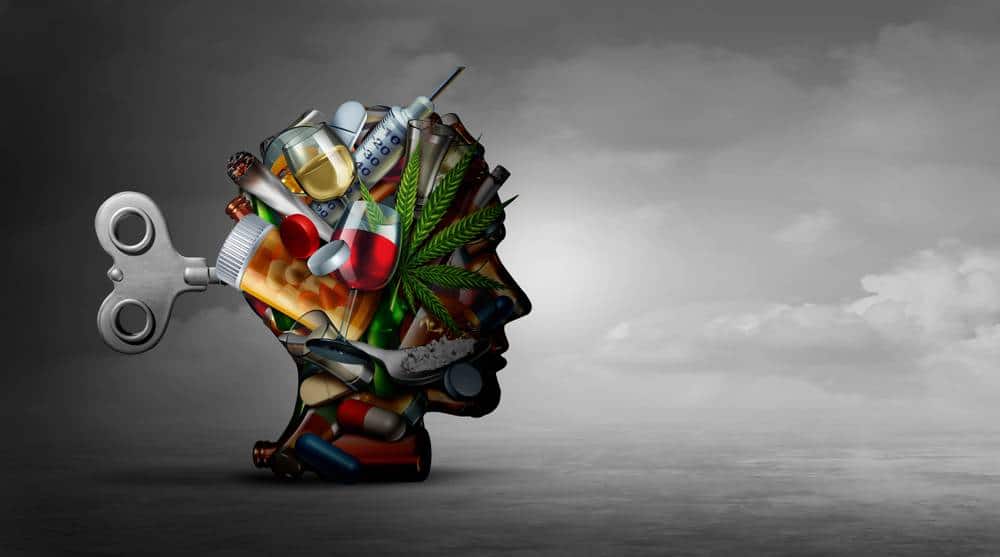
For six years, I have spoken out as loudly as I can about the harms of psychiatric diagnoses and drugs. Even before my formal training as a psychologist, it was obvious to me that our emotional states were not meant to be drugged, and that psychiatric diagnoses were crude descriptions of complex human reactions. Once I began practicing, I saw a clear pattern. Those who came to see their diagnosis as a medical condition requiring medical treatment fared considerably worse. Those who started psychiatric drugs became more debilitated, and as they were indoctrinated into the system, the actual events of their lives faded into background noise.
I began studying this field with an intensity that reflected a soul mission. I never bought into the two theories driving the mental health industry. The first is that a brain condition needs “balancing,” whether through the serotonin hypothesis, the dopamine hypothesis, or the nonsense about a child’s brain and ADHD. The second is that we must dig through our past, explore our unconscious, or talk endlessly to professionals to reach some vague breakthrough before we can feel good.
Spoiler alert: both were absurd.
The drugs should never have been brought to market. The trials were fraudulent. The drugs caused serious effects, including suicide, mania, insomnia, sexual dysfunction, and psychosis, with no clinically meaningful advantage over placebo. The drug companies knew this. So did the regulators. This was no oversight. And the chemical imbalance theory was more than a marketing campaign. Its roots reach back to the years after World War II, when MKUltra and its many subprojects searched for drugs and techniques to control the human mind, funded at scale and carried out in coordination with academic psychiatry.
The therapy industry, too, was a house of cards. I understand its appeal. Humans are social beings who want to be understood, supported, and guided through life’s problems. But in my professional life, I observed that roughly 90 percent of licensed psychotherapists were ill-equipped for the role. In another era, few of them would have risen to positions of wise counsel within their community. Many had mastered basic listening skills without any real understanding of the human journey, and many were indoctrinated into a belief system about suffering shaped by political and industrial interests. As we medicalize the human experience and nudge people toward victimhood, we create a more hopeless, more medicated civilization in decline.
I am often asked, “Well, what is the solution?” The question itself shows how thoroughly we have been brainwashed. If not a pill, then what? Any suggestion that the answer may lie within us is met with accusations: victim blaming, anti-science, right-wing. People leap to extremes, as if the only alternative were telling people to pull themselves up by their bootstraps. Without realizing it, they prove my point.
The rest of this article is my chance to discuss solutions. I could lecture for hours on each one. My aim here is simply to invite you to consider a different way of thinking about your life, your health, your true nature, your creative power, and your full potential.