
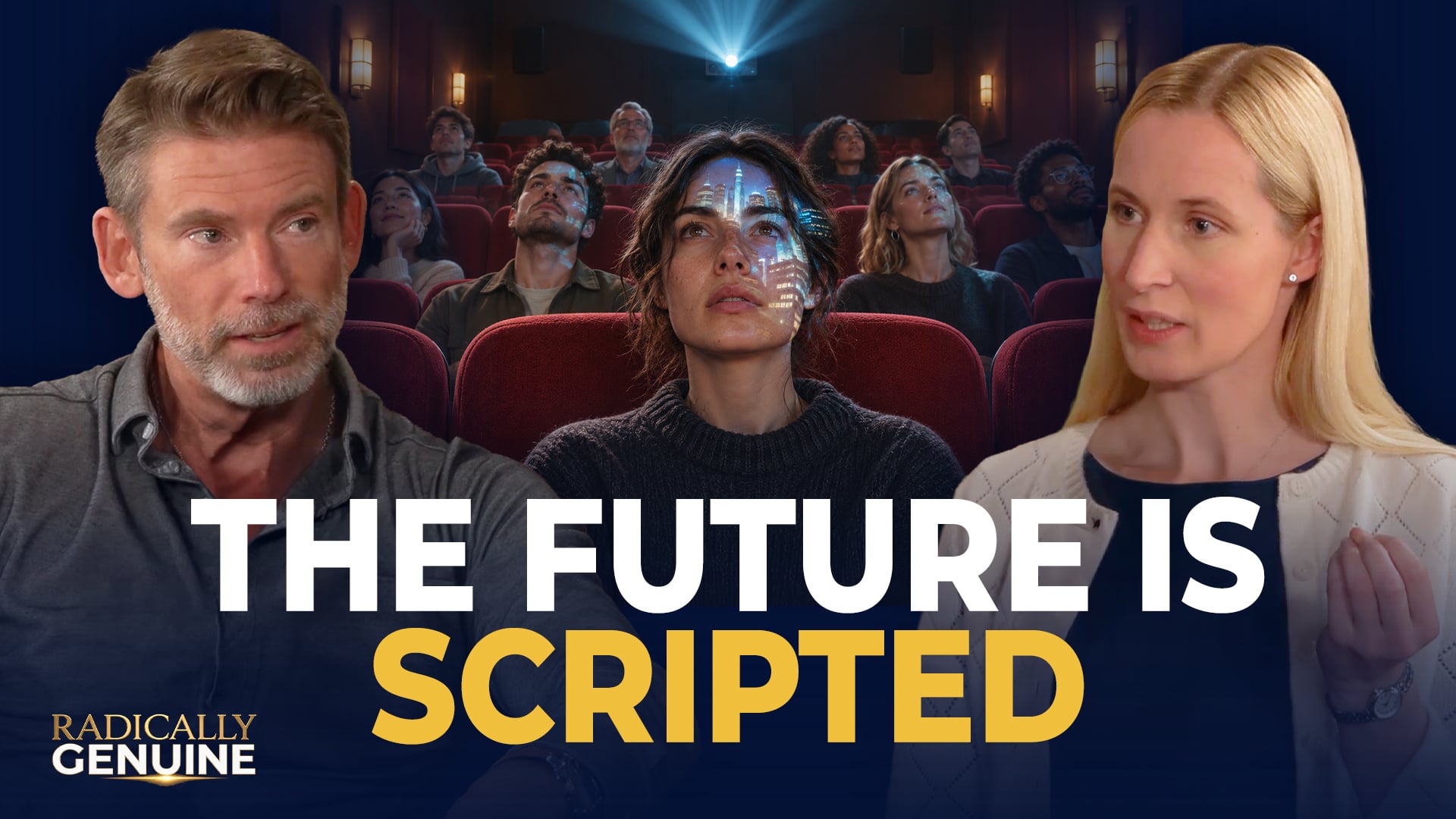
What if movies and television do more than predict the future? What if repeatedly showing us pandemics, cyberattacks, mass surveillance, social credit systems and AI-controlled societies makes those possibilities feel normal before they ever become reality?
Roger and Tracy examine predictive programming through specific examples. The Simpsons introduces ideas years before they enter political reality. Black Mirror rehearses worlds of surveillance, social scoring and technological dependency. Contagion showed audiences how a pandemic might unfold years before COVID, while Event 201 rehearsed a coronavirus crisis for the public health and managerial class only months before the real thing. Leave the World Behind and Cyber Polygon imagine catastrophic cyberattacks, while newer stories such as Zero Day and Mercy introduce futures built around digital collapse, AI surveillance and algorithmic justice.
They examine the documented relationship between Hollywood, the Pentagon and intelligence agencies, asking how entertainment can shape public attitudes toward war, authority and government institutions. The deeper question is not whether every fictional prediction is intentional. It is what happens to human consciousness when the same futures are repeatedly placed into our imagination.
Because imagination works both ways. If fear, helplessness and control can be rehearsed in the mind, so can freedom, courage and an entirely different future.
The first act of sovereignty is recognizing who has your attention and deciding what you will create with it.